
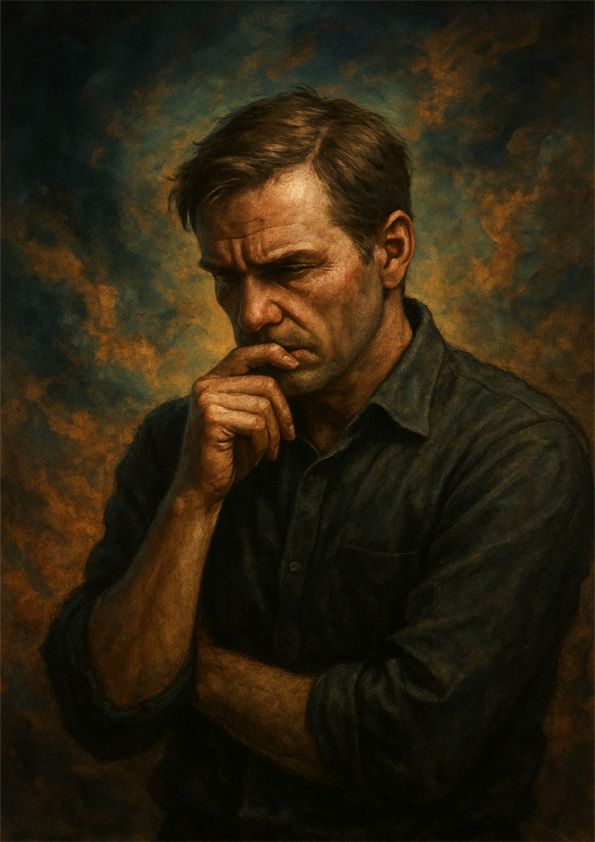
If anyone is wondering where I have been since the presumed dates of the Rapture passed without any major eventful happenings, let me assure you—I did not go into hiding, nor did I slip into self-denial over my predictions. Instead, I found myself reflecting deeply: If the fulfillment of the first Fall Feast did not take place this year, then when will it be?
Jesus, our Lord, is the same yesterday, today, and forever. He fulfilled the Spring Feasts with immaculate precision, and I am convinced He will do the same with the Fall Feasts. Yet, not happening this year. The question is, why?
I will not attempt to rationalize or excuse away the “confusion” surrounding the anticipated Rapture. Rather, I humbly seek to understand the “missteps” I may have taken in discerning this critically important event for the Bride of Christ. My calculations and expectations were not swayed by sensational claims, nor did I lend credence to those who insist Jesus appeared to them with secret knowledge of dates and times. Such claims are at odds with His own words: “No man knows the day or the hour, not even the angels of heaven, nor the Son, but the Father alone.” (Matthew 24:36).
My intent has always been pure: to awaken hearts, beginning with my own loved ones and friends, to the reality of Christ’s return. I would rather risk being branded a “false harbinger” than remain silent if there is even the slightest chance of helping prepare hearts for the coming of the Lord.
Still, the lingering question remains: what went wrong with my calculations? Wars, calamities, and rampant evil seemed to align perfectly with the prophetic timetable. The 7,000-year framework—subtracting the 1,000 years of Christ’s millennial reign—appeared to point squarely to this year, 2025. The Feast of Trumpets seemed the most fitting occasion for the Rapture, yet the day passed without event.
I am not blaming historians or biblical scholars for any errors in chronology. Indeed, even they debate the exact dates of Christ’s birth, crucifixion, and ascension. Such uncertainties remind me that while human calculations falter, God’s timeline is unshakable.
I remain unshaken in my conviction: just as Christ fulfilled the Spring Feasts to the very day, so too will He fulfill the Fall Feasts at His second coming. God’s moedim—His appointed times—are perfect. The mystery lies not in whether He will act, but in when.
My conclusions after this year’s Feast of Trumpets:
The Feasts point forward, but timing belongs to God.
Jesus Himself declared that the day and hour of His coming are known only to the Father (Matthew 24:36). The feasts are prophetic signposts, but the exact year remains hidden in God’s authority (Acts 1:7).
Patterns require the right year.
The Spring Feasts were rehearsed annually for centuries before Christ fulfilled them in the chosen year. Passover was kept for 1,500 years before the true Lamb of God was sacrificed. Likewise, the Fall Feasts will not be fulfilled at every occurrence, but only at the divinely appointed one.
What feels like “delay” is actually mercy.
Each passing year grants more souls time to repent and believe. The Lord is not slow, but patient, “not wishing that any should perish, but that all should reach repentance” (2 Peter 3:9).
In the end, what matters is not our ability to predict, but our faithfulness to trust. God is sovereign. His plan is flawless. He will fulfill His Word in His perfect timing.
So yes, my understanding may falter. Historians and scholars may err. But God never fails. Every Feast of Trumpets that passes without event is not His failure—it is His mercy.
Therefore, let us not lose faith. Instead, let us keep our eyes on the Blessed Hope, clinging to the Truth until the trumpet truly sounds.
Maranatha! Come, Lord Jesus. Amen.